It's Monday morning after your open day. 120 families came on Saturday. Twelve have already asked questions in your website chat, 80 are waiting for a follow-up email, and one of your admissions officers is on leave this week.
EN/CN

It's Monday morning after your open day. 120 families came on Saturday. Twelve have already asked questions in your website chat, 80 are waiting for a follow-up email, and one of your admissions officers is on leave this week.
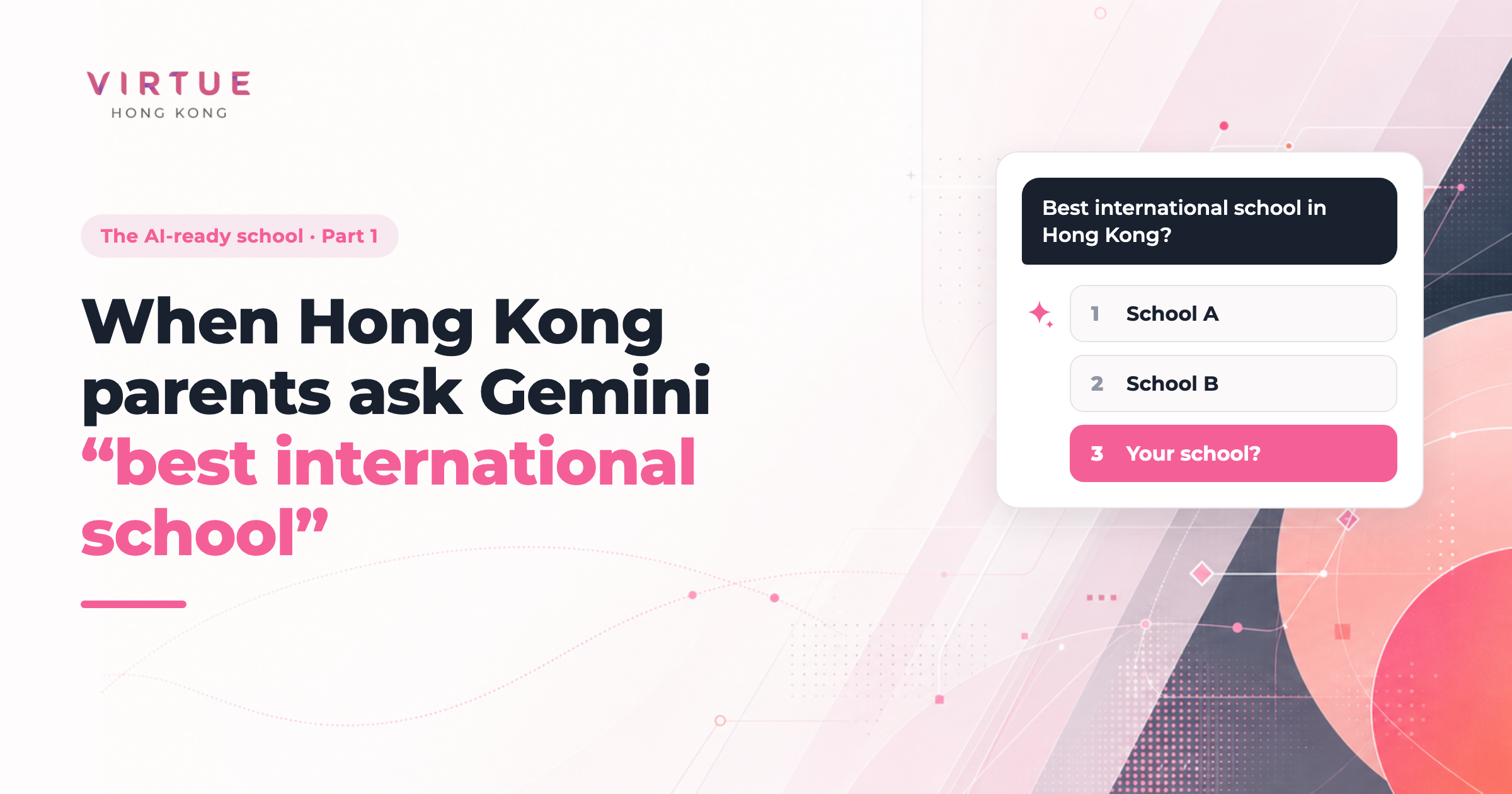
A family is moving to Hong Kong from London. Their son starts Year 4 in August. One evening they open Gemini and type: "Best international school in Hong Kong for a Year 4 boy, British curriculum, good Mandarin, near Kowloon Tong."
They get one answer naming three or four schools. If your school isn't in it, the family may never visit your website.
Here's how AI answers choose schools, what to fix this term, and how to measure it.
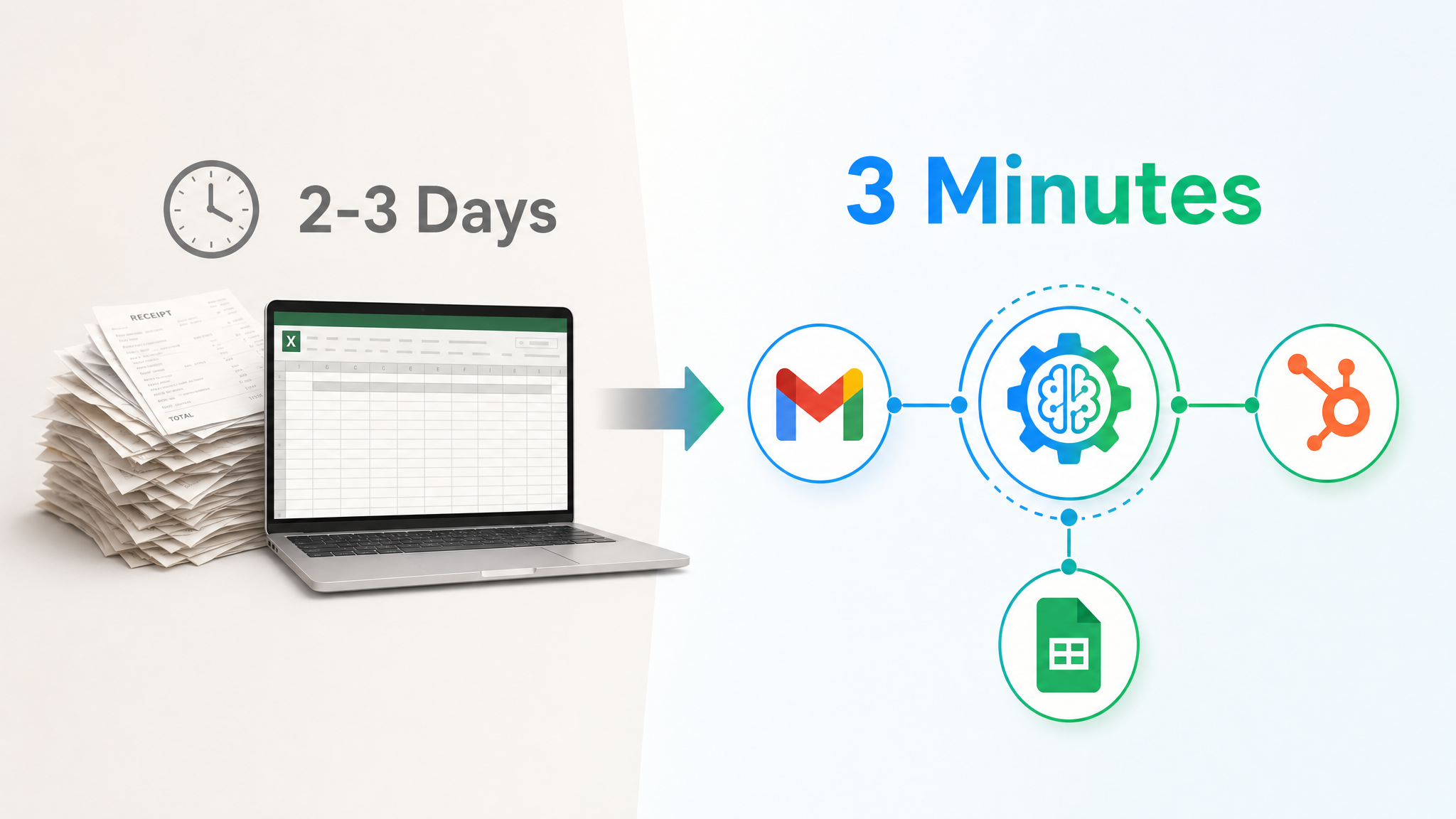
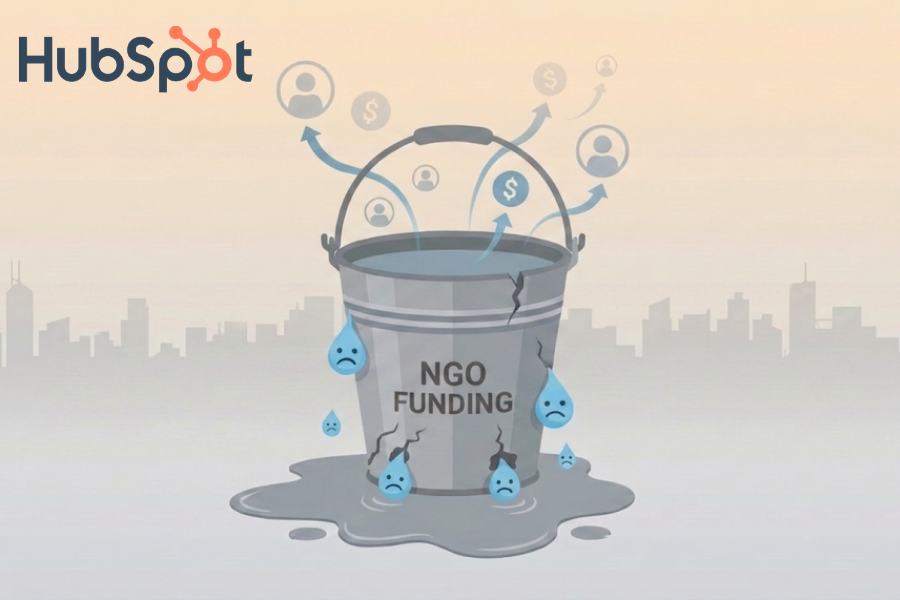
It’s a Friday afternoon at your NGO, and a wonderful notification pops up in your inbox: a dedicated supporter named Victoria has sent over a screenshot of her latest HK$100 donation. Every contribution brings your team closer to your mission.
However, behind every offline gift in a traditional NGO setup lies a trail of repetitive back-office tasks:

A prospective family may first discover a school through an advertisement, download a prospectus, attend an open day and later submit an application. Yet inside many schools, these interactions are recorded across separate marketing platforms, admissions inboxes, spreadsheets and school management systems. Once an enquiry passes from Marketing to Admissions, Marketing often loses sight of what happens next.

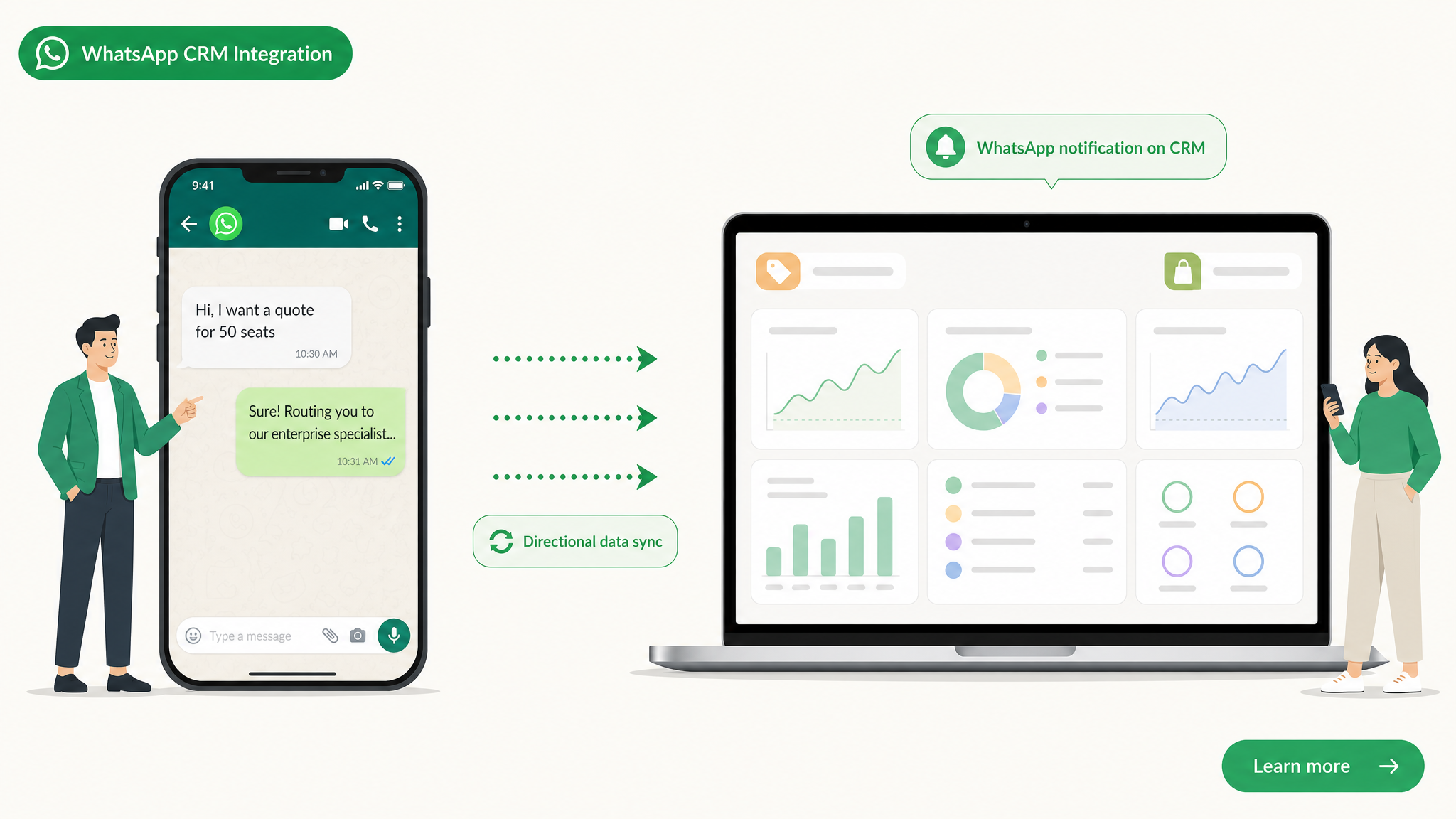
Oversea education agencies often lose student enquiries because conversations are spread across website forms, email, phone calls, social media and messaging applications. Staff then have to copy information manually, making missed follow-ups, incomplete records and duplicated data more likely.
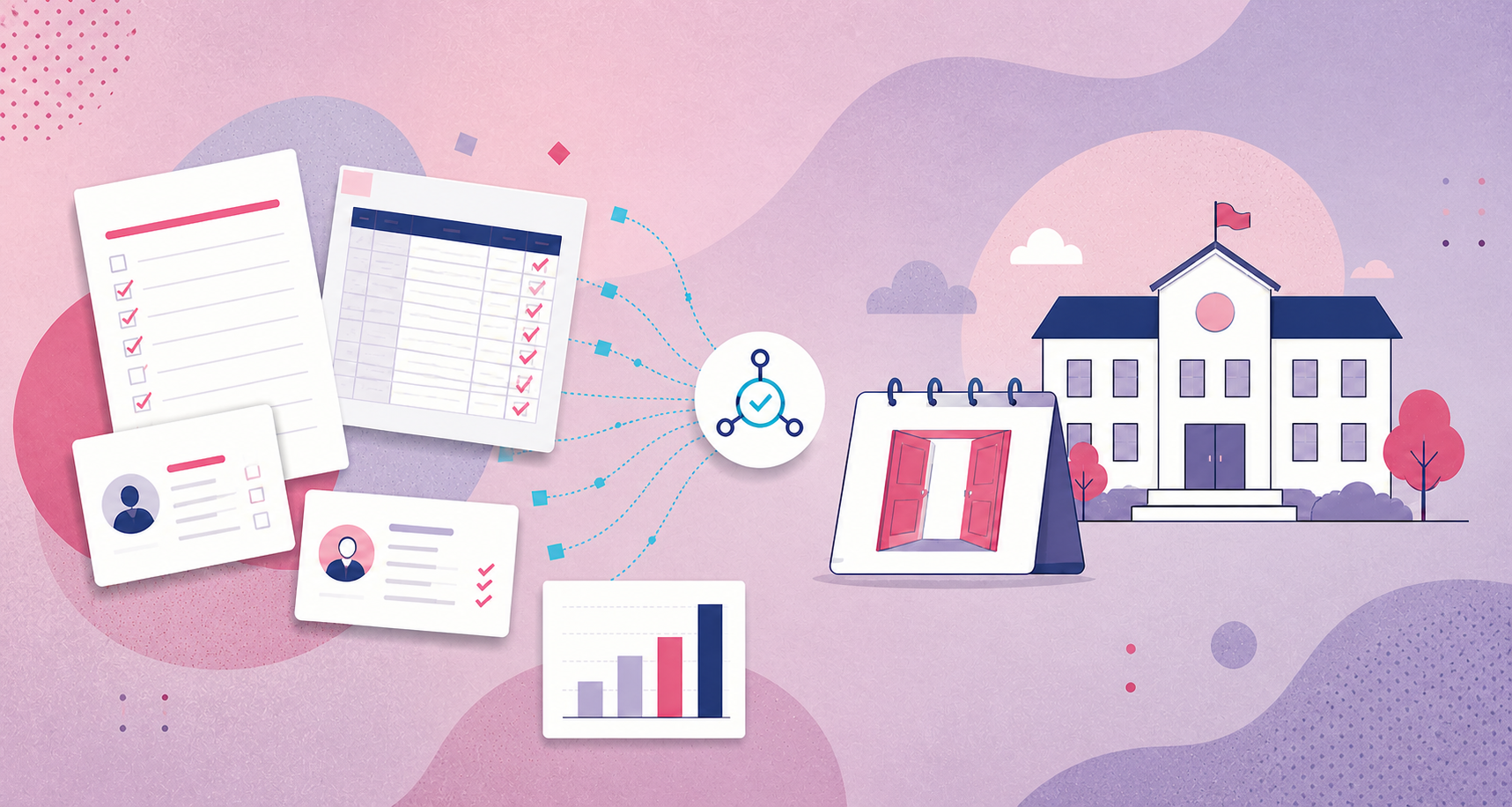
An Open Day may attract a strong number of registrations, but that figure alone does not tell school management whether the event supported admissions. For many international and private schools in Hong Kong, registration forms, attendance lists and formal application records are held separately. The team may know how many families registered, yet still be unable to say how many attendees later submitted an application.
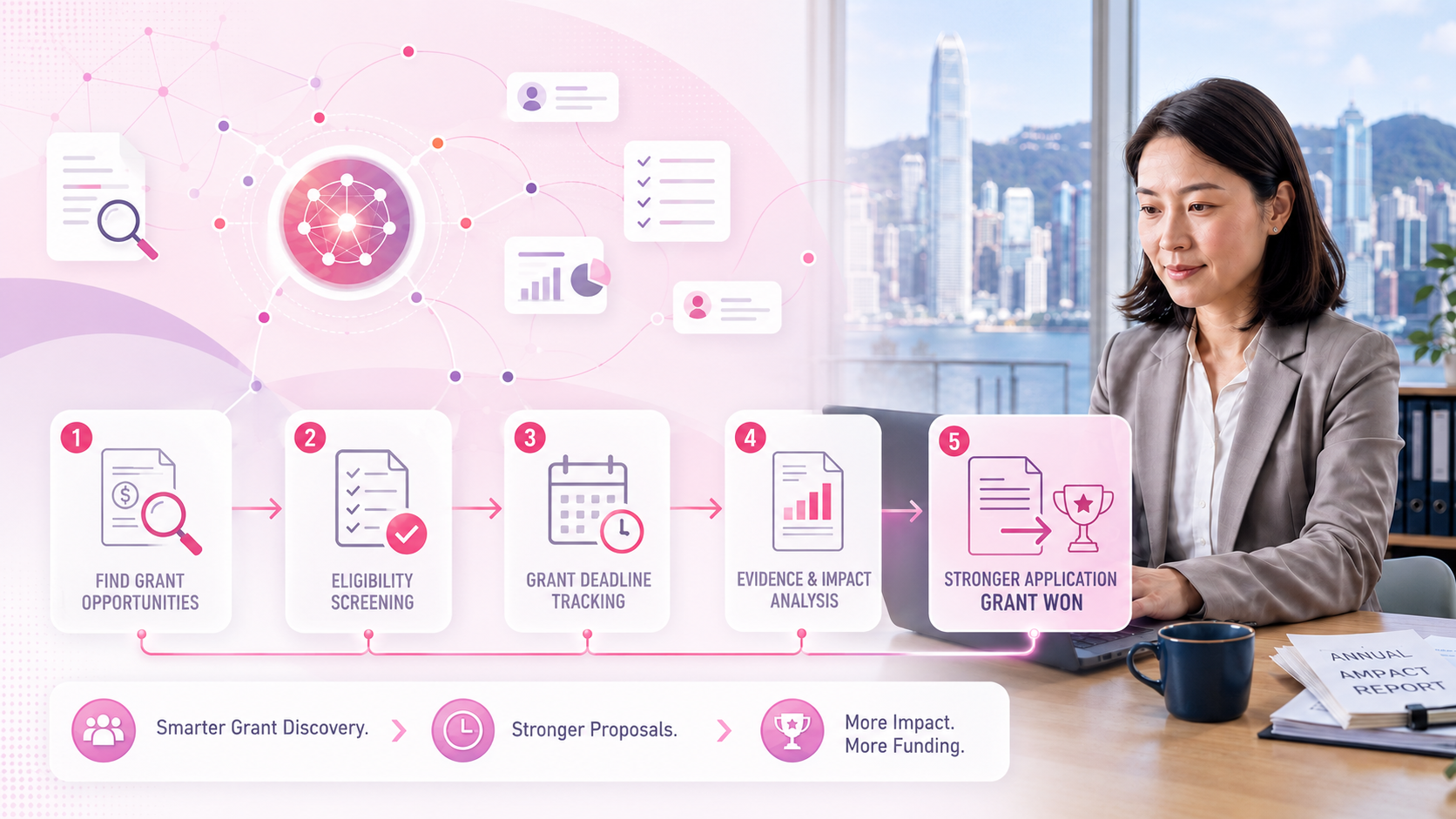
Ask a Hong Kong NGO where fundraising really goes wrong, and you rarely hear "we can't find grants." You hear something more painful: we found the grant too late, or we found it in time and still lost, because we couldn't assemble the evidence fast enough.
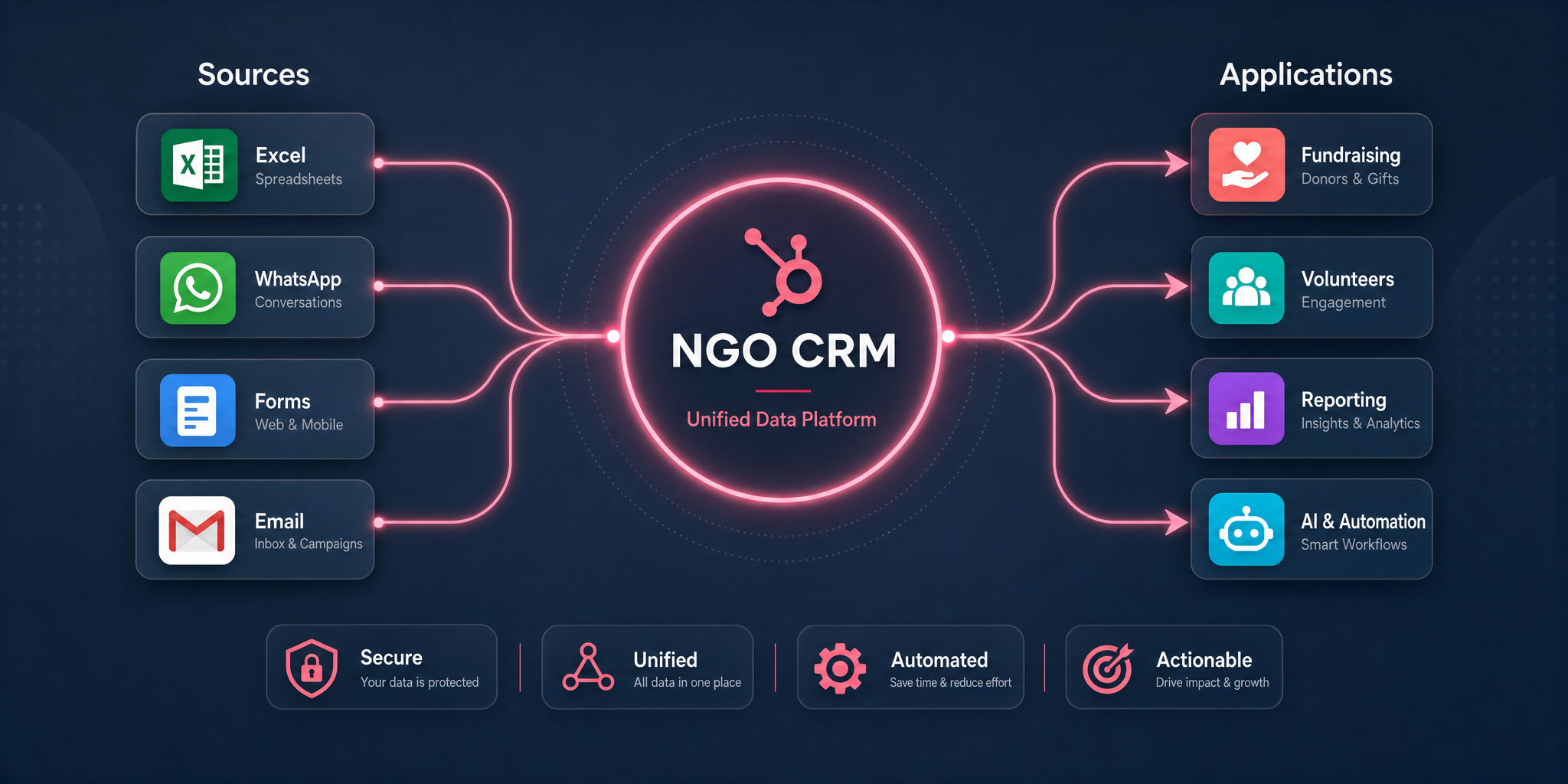
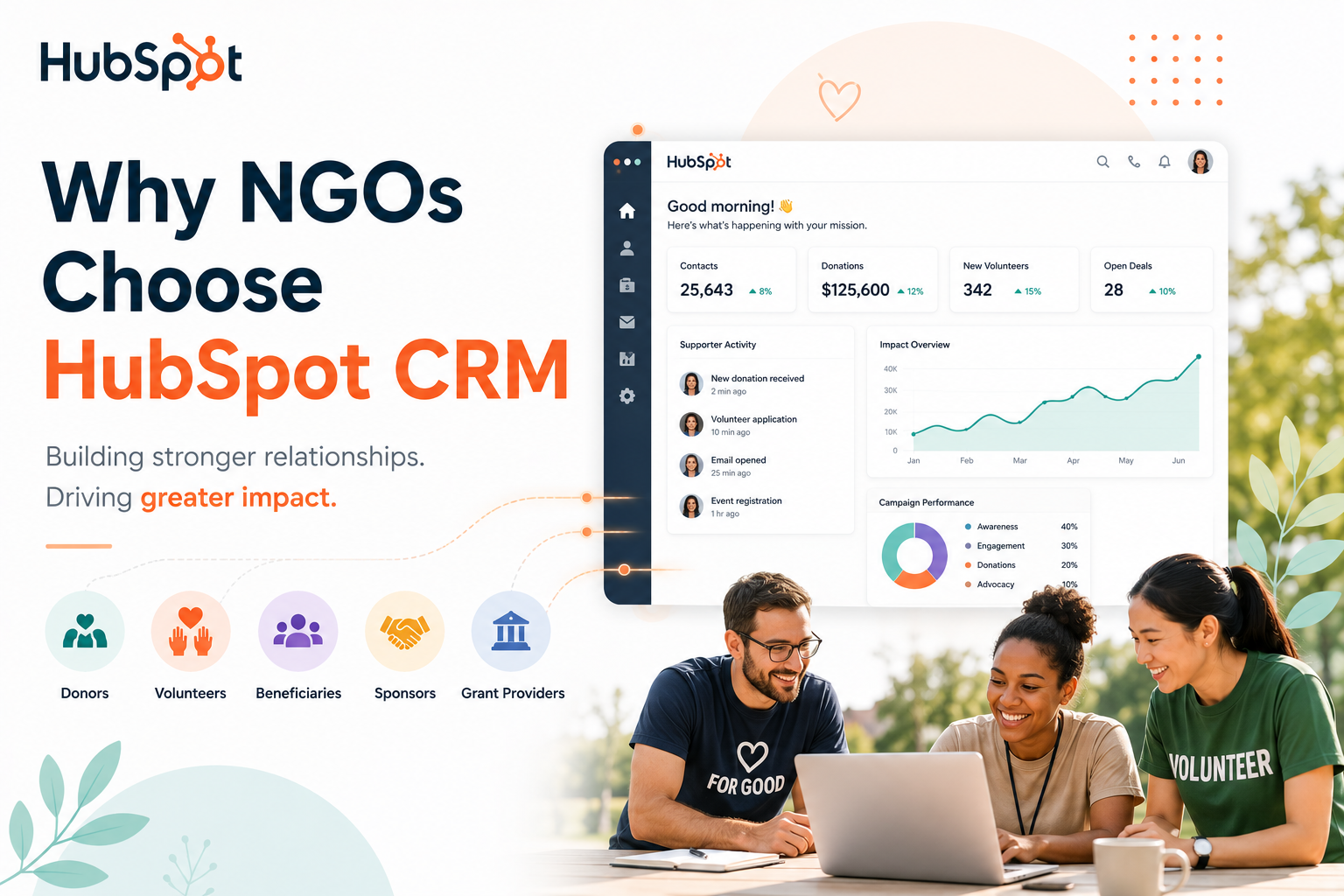
A useful NGO CRM does not try to store everything. It keeps the information the organisation needs to manage relationships, deliver services, raise funds and communicate responsibly—while making the source, permitted use and ownership of that data clear.
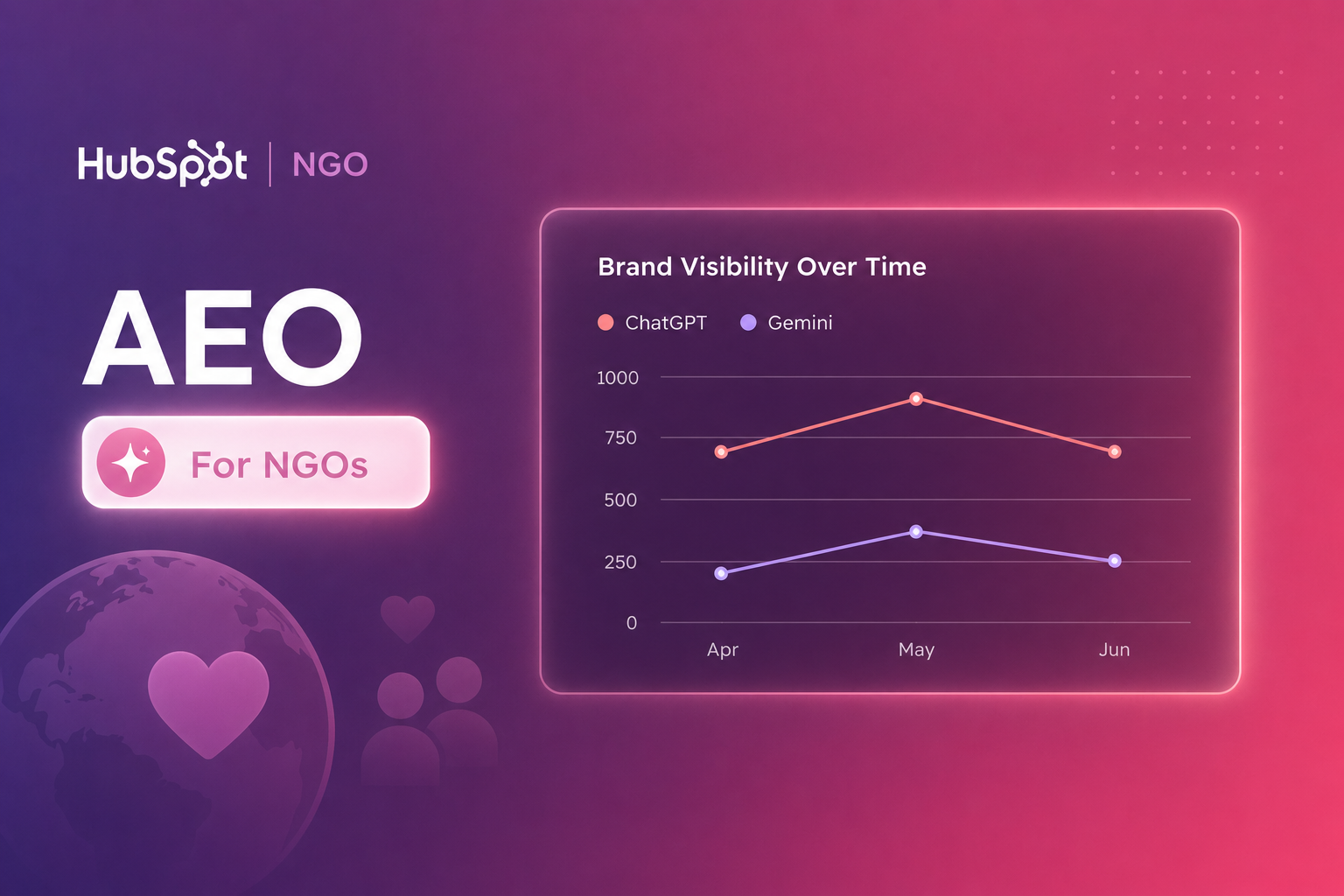
Here is a question worth sitting with for a moment.
When a CSR manager at a Hong Kong corporation ask AI— "Which Hong Kong NGOs are working on youth mental health?" — does your organisation appear in the answer?
If you don't know, that's the problem.
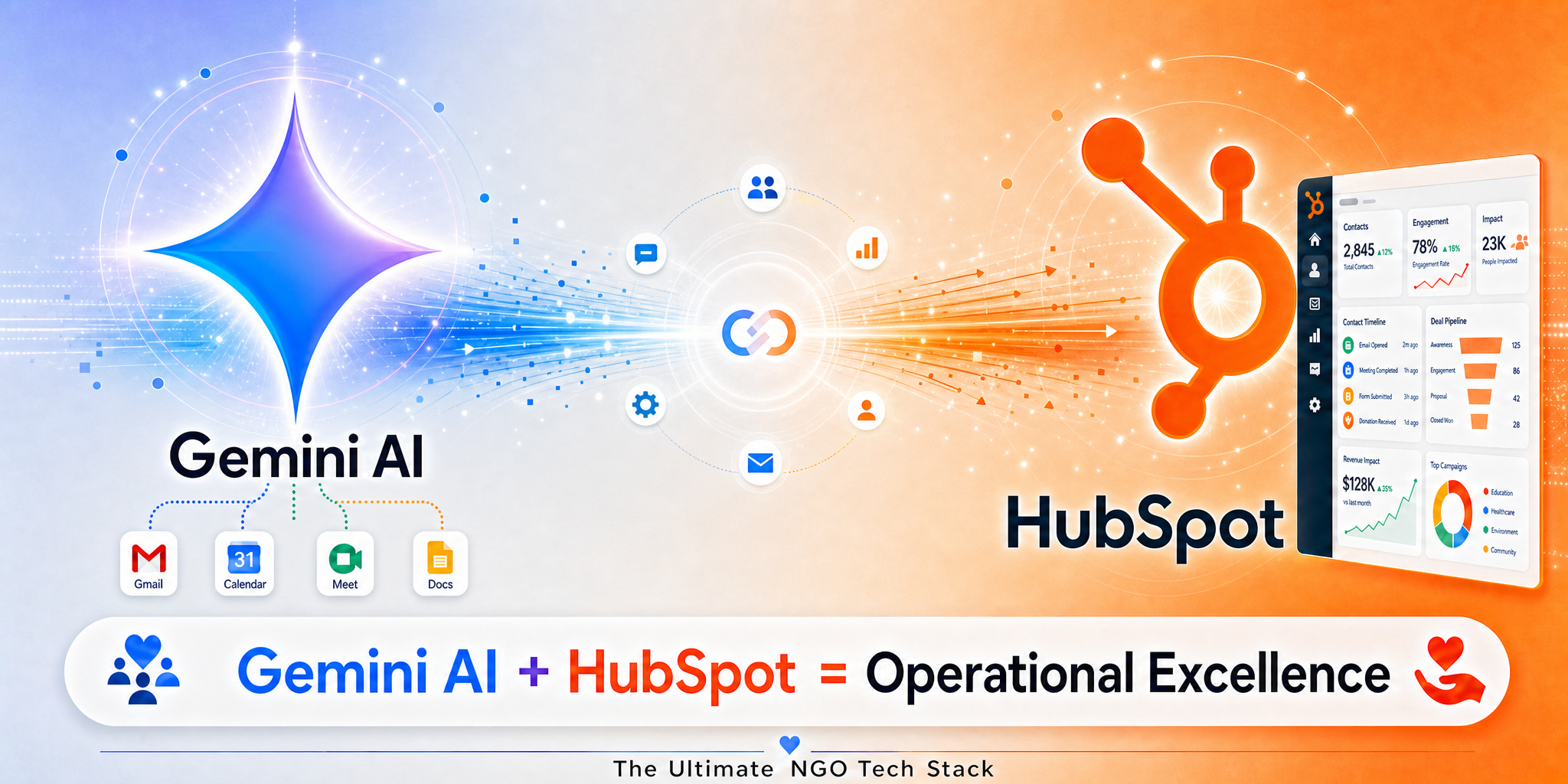
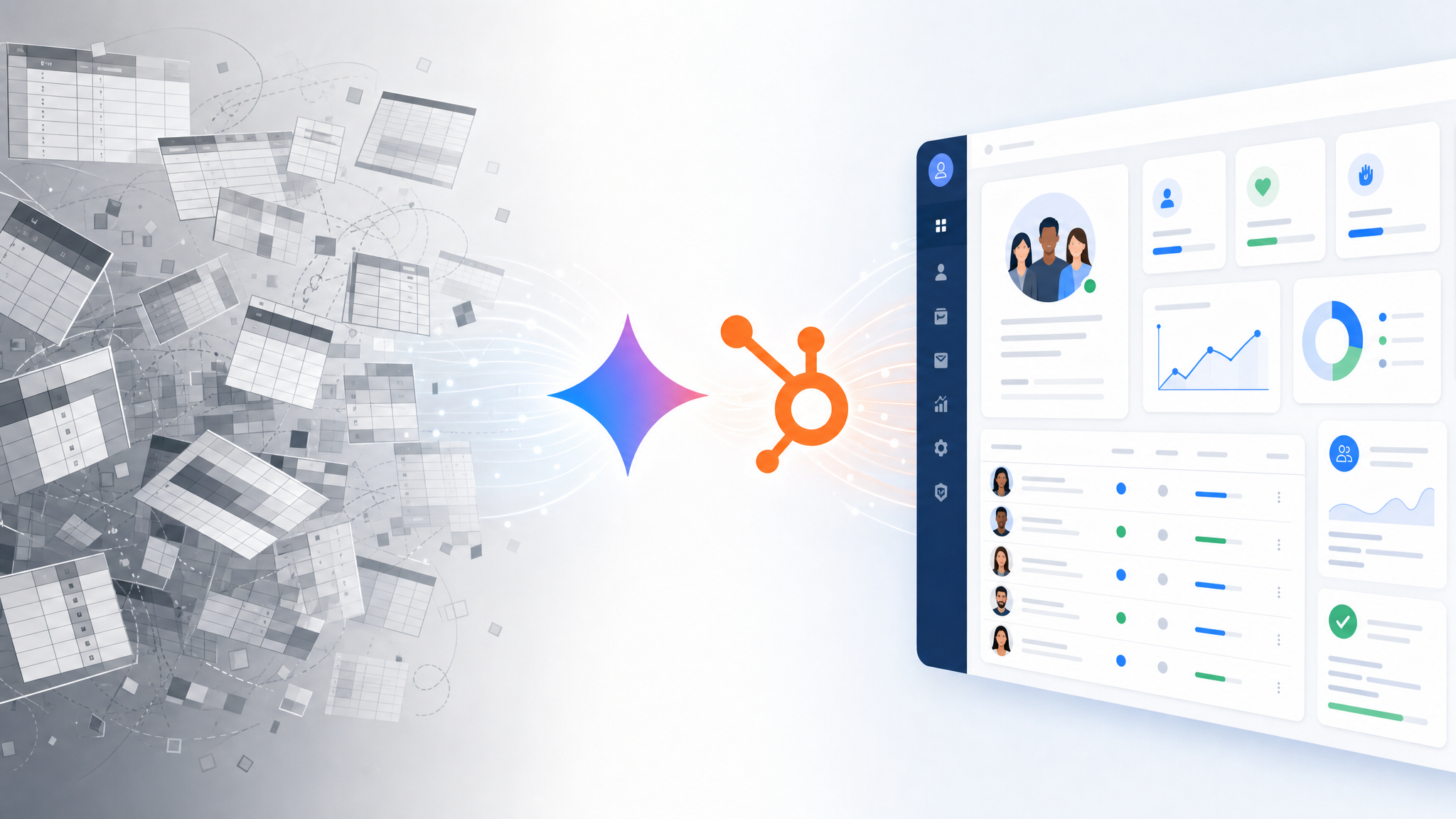
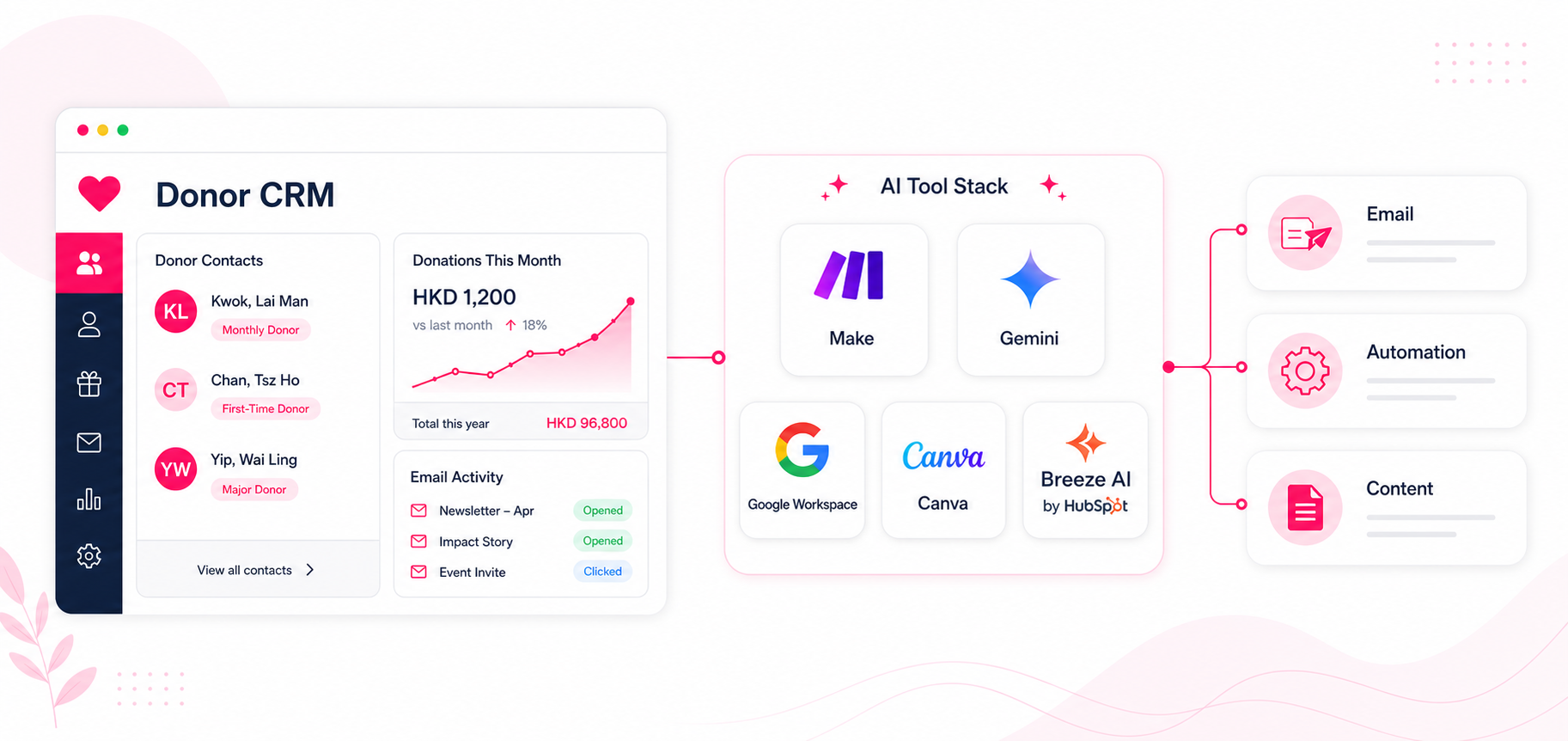
Connecting Google’s Gemini AI ecosystem seamlessly with HubSpot is the ultimate "1+1>2" operational play for a non-profit. It allows you to use Google Workspace as the flexible, daily workspace for staff while using HubSpot as the central, structured source of truth for the board.
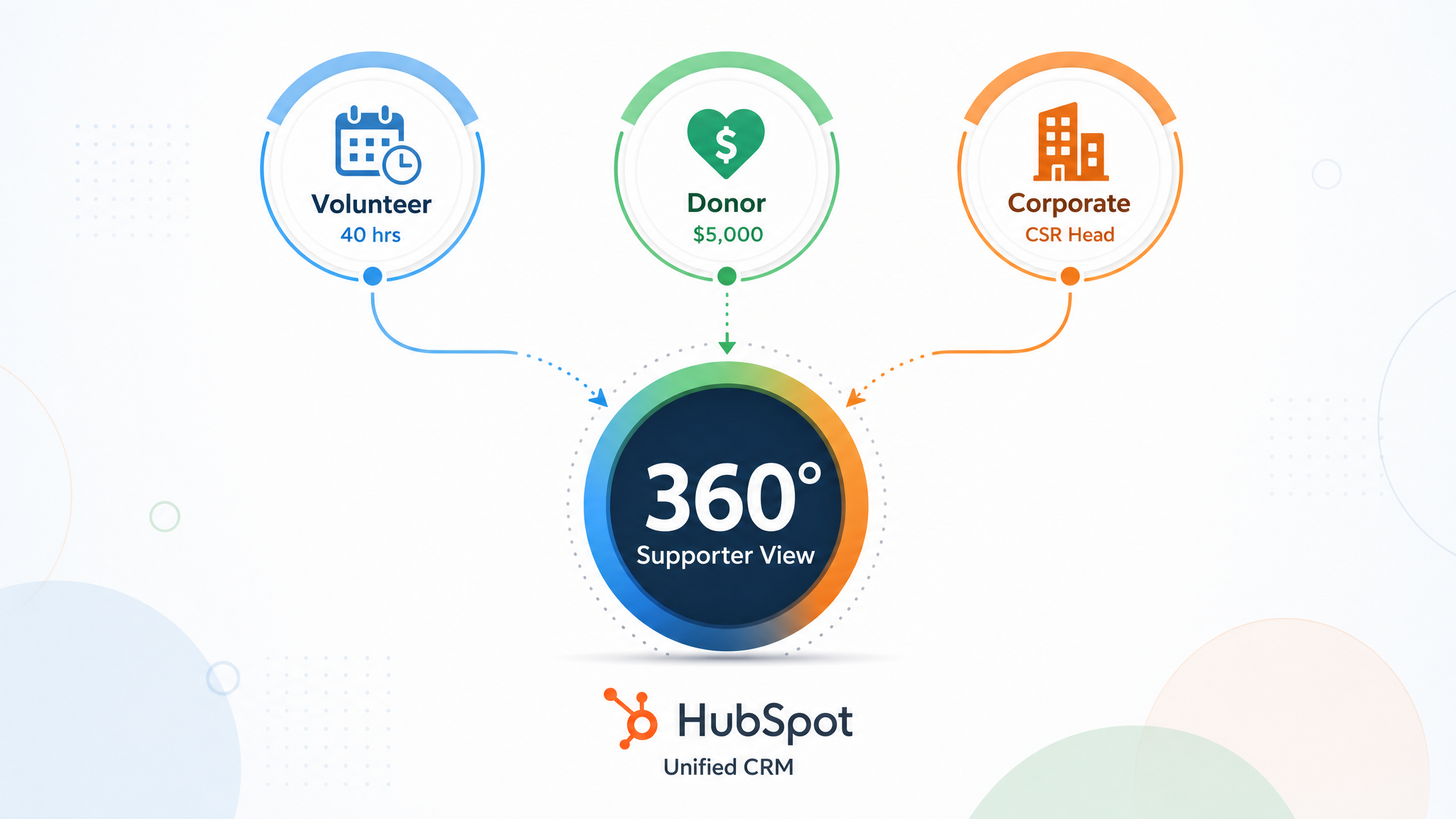
When we talk to non-profit leaders in Hong Kong, we often uncover a silent operational roadblock:
the supporter relationship is fractured across separate spreadsheets.
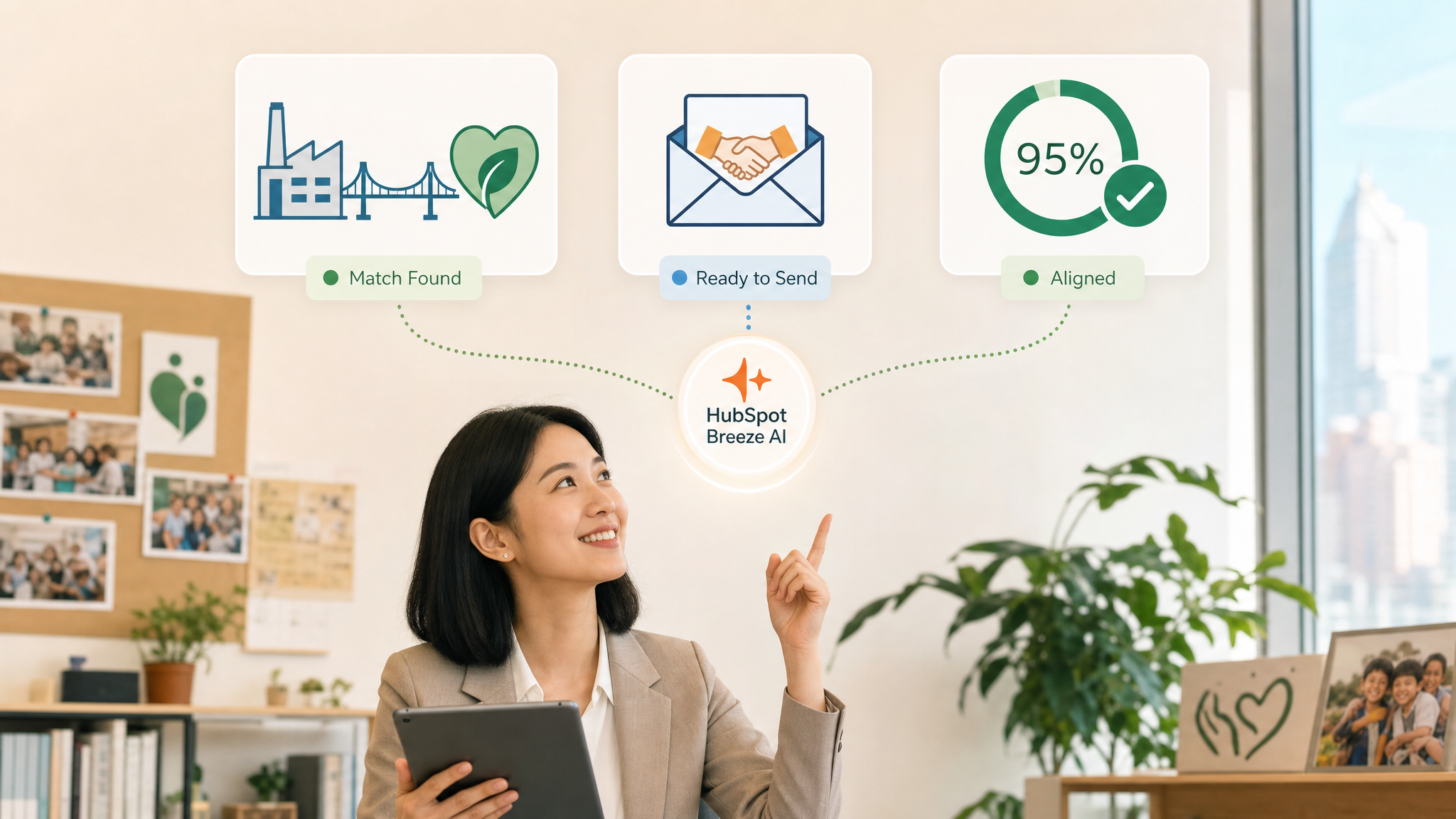
Streamline your NGO’s fundraising and partnership efforts with intelligent, AI-powered prospecting. Finding the right sponsors shouldn't take time away from your core mission. As a critical component of AI transformation services for nonprofits, tools like HubSpot’s Breeze Prospecting Agent can save your team hours of corporate research and craft highly personalized donor outreach.